Apartheid and Resistance
In 1948, the pro-Afrikaner National Party came to power with the ideology of apartheid, an even more formalised,
rigorous and authoritarian approach than any previous segregationist policies. At a time when much of Africa was
on the verge of independence from colonial powers, the South African Government was strengthening its policy of
separate development.
The Black population was divided into artificial ethnic ‘nations’, each with its own ‘homeland’
and the prospect of ‘independence’. Forced removals from areas designated for Whites affected millions of people, and
the homelands became vast rural slums. The ANC adopted its Programme of Action, expressing the renewed militancy of the
1940s, and embodying a rejection of white domination and a call for action in the form of protests, strikes and
demonstrations. This would eventually lead to the Defiance Campaign of the 1950s against discrimination in all forms,
especially the ‘unjust laws which keep in perpetual subjection vast sections of the population.
The Defiance Campaign carried mass mobilisation to new heights under the banner of non-violent, passive resistance and in 1955 the Freedom
Charter was drawn up and adopted at the Congress of the People in Kliptown, Soweto. The charter enunciated the principles
of the struggle, binding the liberation movements to a culture of human rights and non-racialism. In 1956 thousands of women
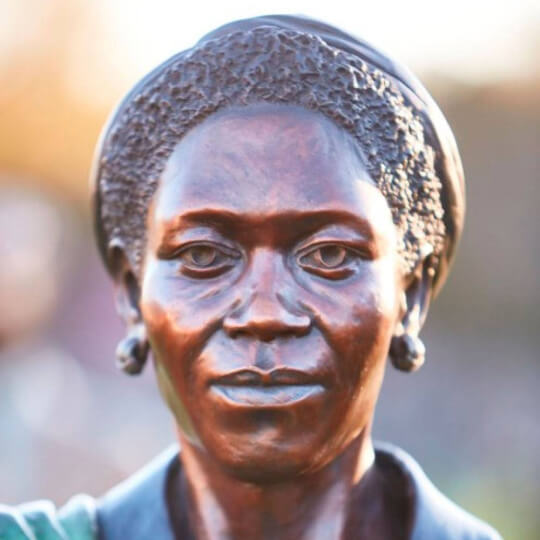
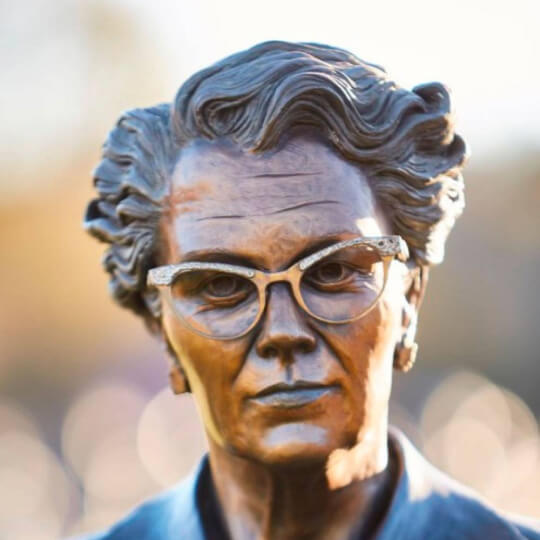
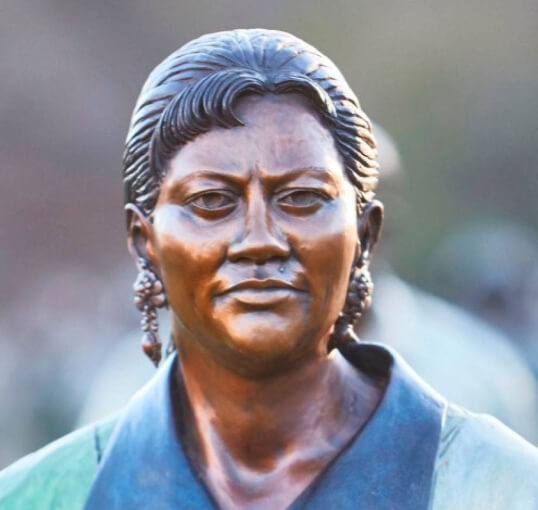
joined the Women’s March to the Union Buildings in Pretoria to protest against the infamous pass laws.
The State responded swiftly and brutally to all the protests and many thousands were arrested, imprisoned or subjected to
banning and restriction orders, all of which would culminate in the 1956 Treason Trial.