
01 / The LMTF Project
South Africa’s struggle for liberation was fought over three centuries of colonial domination and four decades of apartheid rule. In 1994 freedom was won and the world celebrated our new democracy with us.
Today the Long March to Freedom brings the iconic leaders of this epic journey together, from the first chiefs to the last activists, in a ground-breaking public attraction in Century City, Cape Town.
Discover the LMTF Project100
Life-size bronze statues
350
Years of struggle
1994
A New Democratic Era
02 / 100 Bronze Statues
From the first chiefs and kings who resisted colonial conquest to the activists who won democracy in 1994, each life-size bronze tells part of a 350-year story.
Explore all 100 statues
Cetshwayo kaMpande
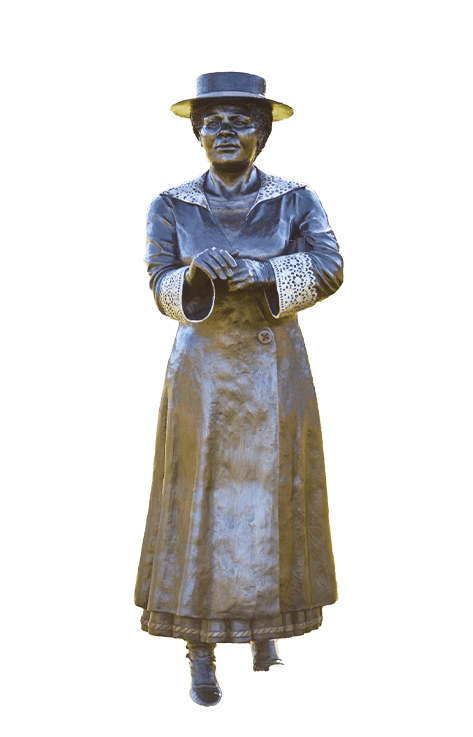
Charlotte Maxeke
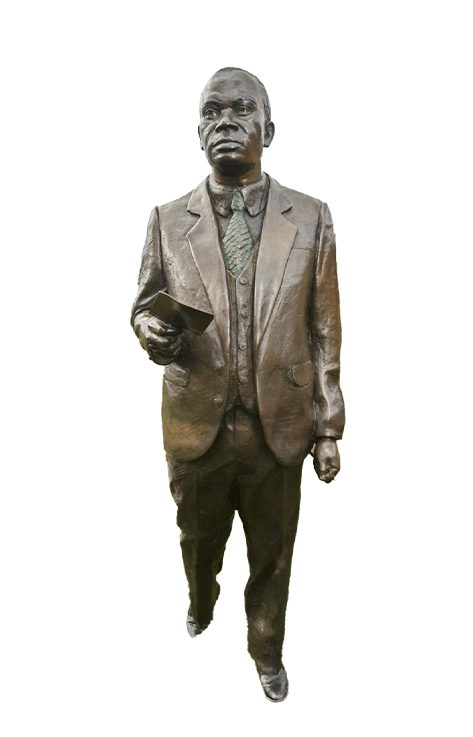
Pixley kaIsaka Seme
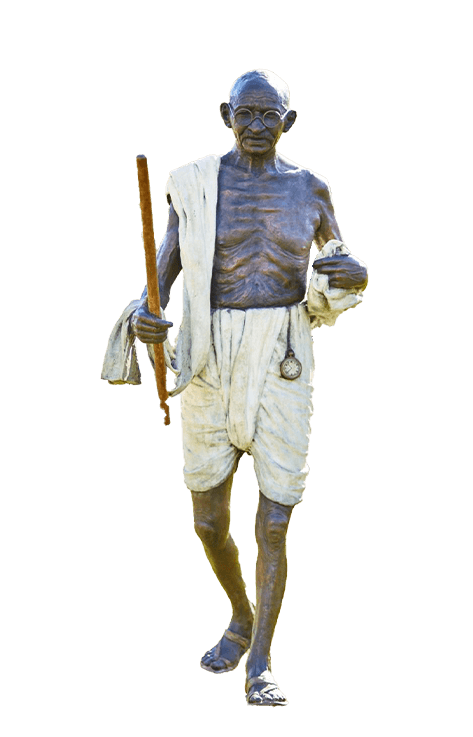
Mohandas Gandhi

Chief Albert Luthuli
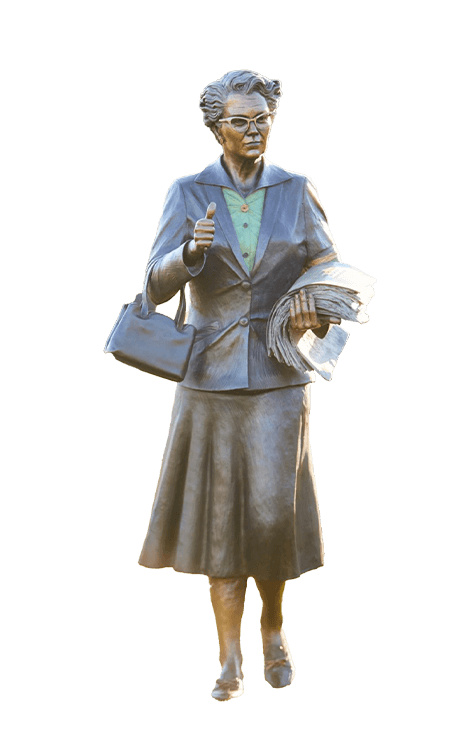
Helen Joseph
03 / 350 Years of Struggle
The story reaches from the first wars of resistance against colonial conquest, through four decades of apartheid, to the democratic elections of 1994. Follow the people and the forces that shaped it.
Walk through the historyVoices of the march
“Courage was not the absence of fear, but the triumph over it.”
Nelson Mandela (1918 – 2013)
“The most potent weapon in the hand of the oppressor is the mind of the oppressed.”
Steve Biko (1946 – 1977)
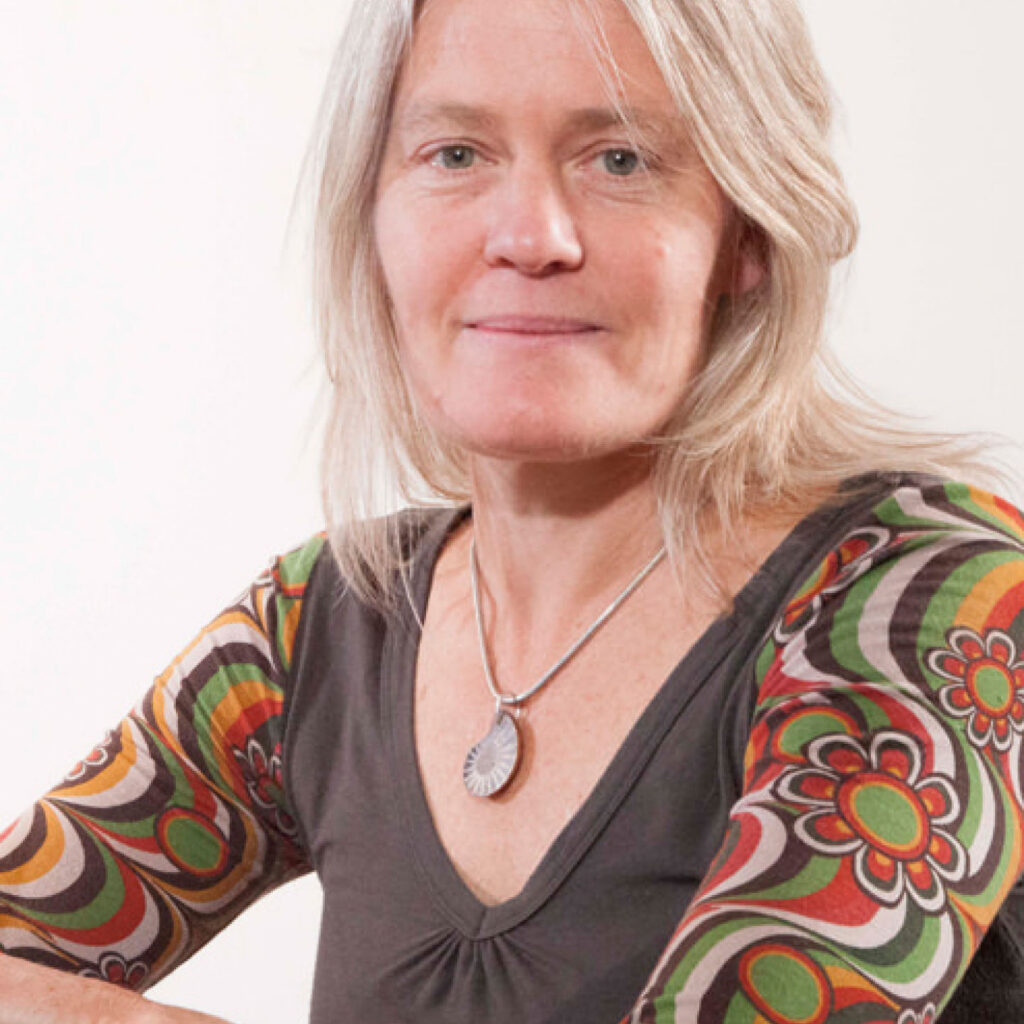
Sarah Richards · Sculptor
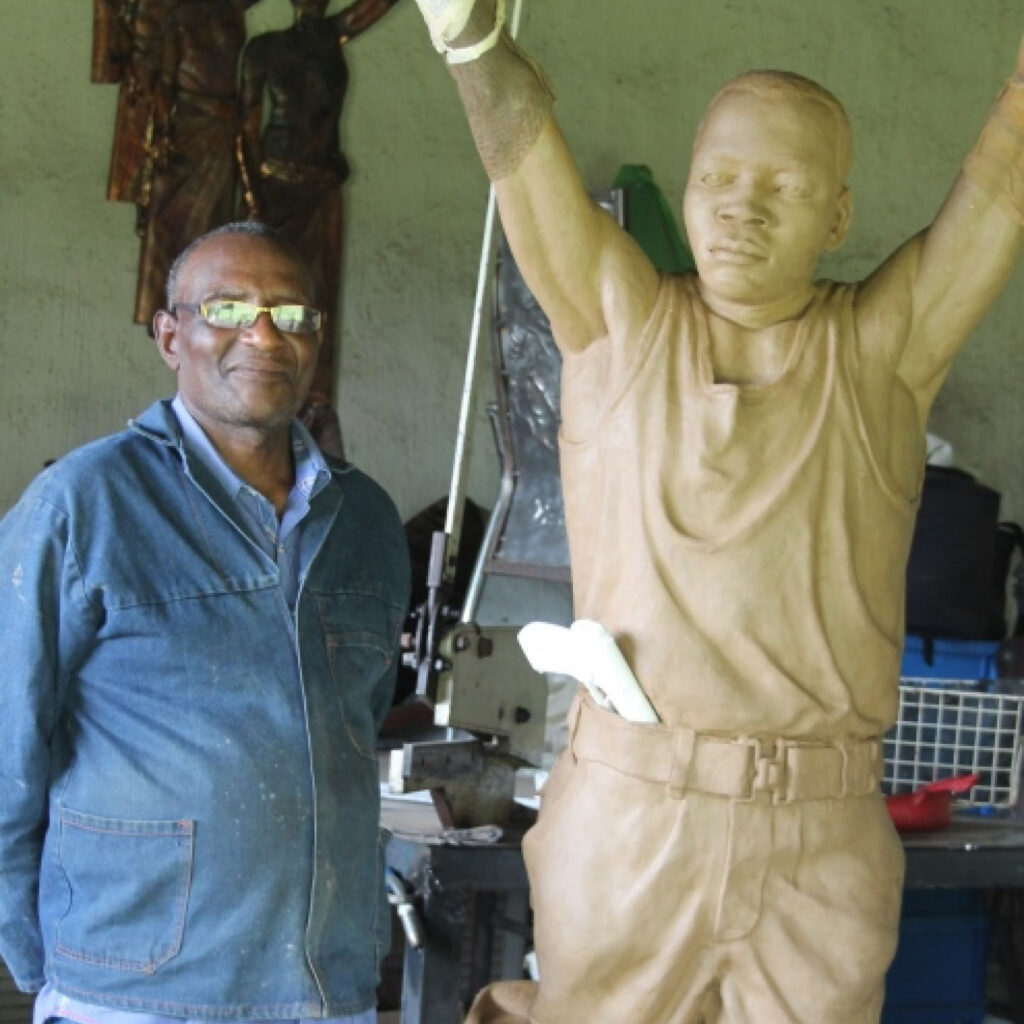
Adam Madebe · Sculptor
04 / The Artists
Meet the sculptors behind the procession and see how each statue was modelled and cast in bronze. A large team of highly skilled artists and artisans work on every bronze.
Meet the artists05 / The Process
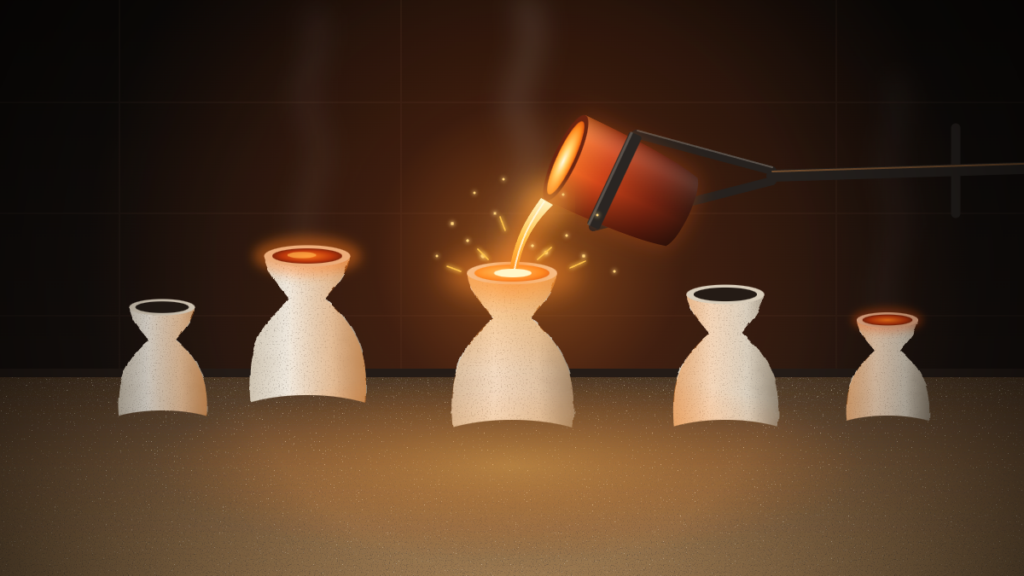
Each bronze is made using the lost-wax method, or cire perdue. Objects have been cast this way for more than 5 000 years, because it faithfully replicates the detail of the artist’s original creation.
See all ten stepsStep 01
The artist makes a small model as a statement of intent: stance, clothing and items the figure could carry.
Step 02
Once the maquette is signed off, a detailed life-size version is made in clay, plasticine or plaster.
Step 04
Molten wax is brushed into the rubber moulds, giving a perfect wax copy of the original, in pieces.
Step 07
Molten bronze is poured into the hollow ceramic shell at almost 1 200 degrees Celsius.
Step 10
The raw bronze is hand polished in preparation for the patina that gives the surface its colour.
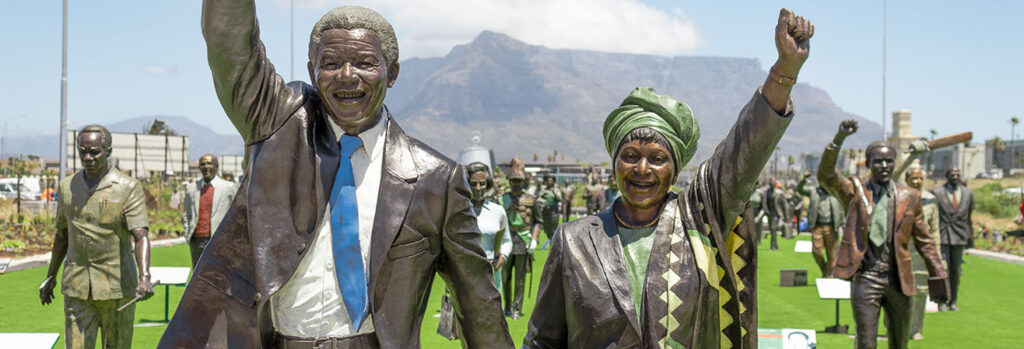
The procession · Century City, Cape Town
06 / Virtual Tour & Gallery
Walk the procession of 100 life-size bronzes from wherever you are, then plan your own encounter in Cape Town.
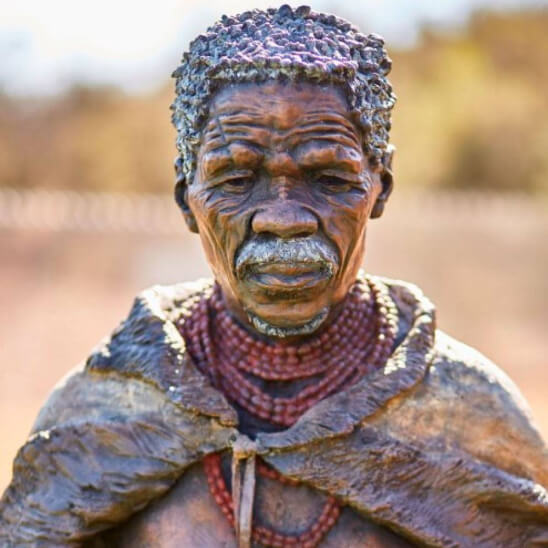
Autshumato
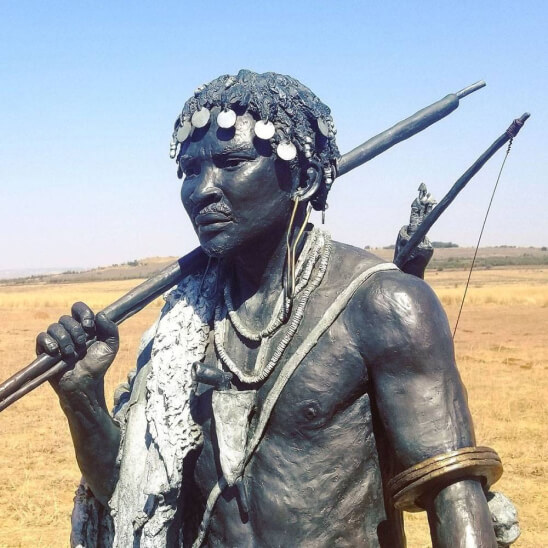
Nommoä (Doman) Goringhaiqua
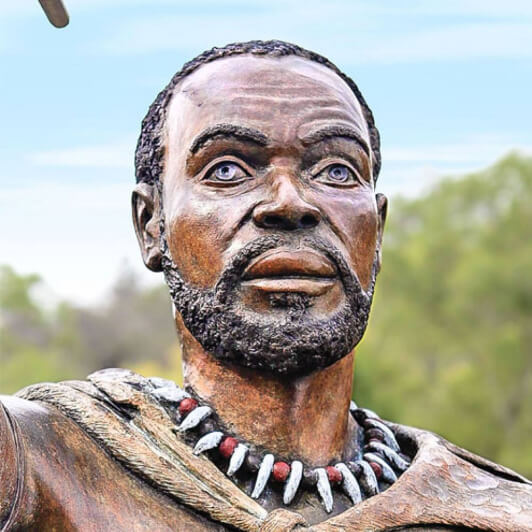
King Hintsa kaKhawuta
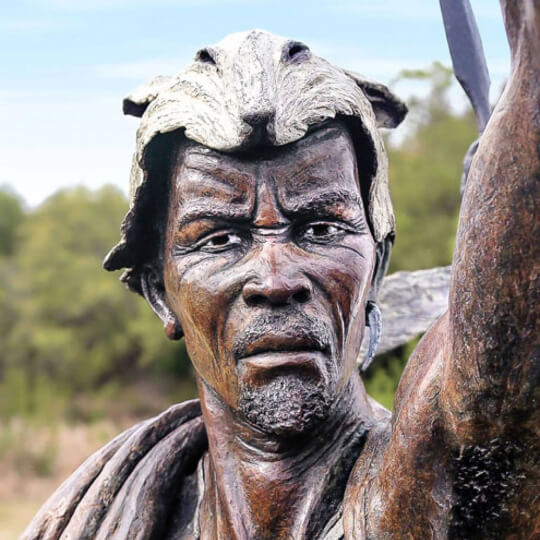
Chief David Stuurman
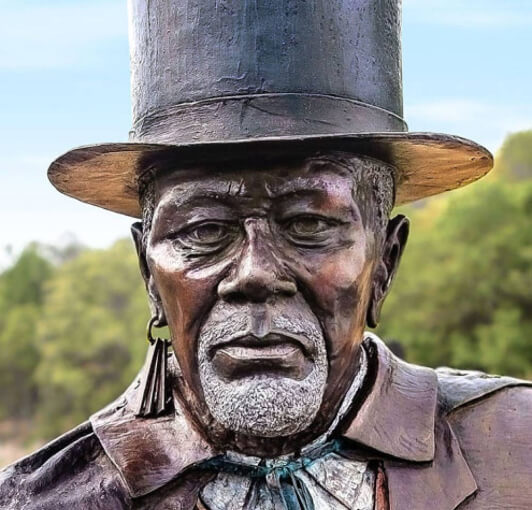
King Moshoeshoe I
07 / Learning
Explore the people, the historical chapters and the sculptural process behind the procession.
Open the Knowledge CentreCurriculum-themed activities for learners of all ages lift the stories off the pages of textbooks. Sponsored visits are available for Quintile 1–4 schools, community, church and youth groups, and NPOs.
Monday – Friday, 09:00 – 13:00 · R60 per learner · Up to 60 learners per visit
Visit the School Portal08 / Visit LMTF
Tickets are available at the gate or online. A subsidised fee keeps the exhibition open to every South African — if you can afford the full fee, please pay it as a donation to keep the project going.
Opening hours
Open Monday – Sunday & public holidays
10:00 – 16:30
Address
Century Boulevard, Century City
Cape Town, 7441
Opposite the Shell Garage, Canal Walk Entrance 4
Subsidised ticket · no guided tour
R20 — SA citizens & permanent residents
Full price · with guided tour
R75 — International visitors
Children under 6
Free
09 / Pledge
We are seeking patrons and sponsors to help this project continue to grow and share South Africa’s liberation story with the world — including sponsoring school visits for the next generation.
Pledge your support10 / Journal
Stories from behind the bronzes, news from the monument, and the activities, holiday programmes and offers coming up.
October 29, 2026
Every life-size statue in the procession is made using a casting method that is more than 5 000 years old. Here is the journey from a sculptor's first
Read the story
October 28, 2026
In 1956 thousands of women marched to the Union Buildings to protest against the pass laws. Meet four of the women connected to the march who stand in
Read the story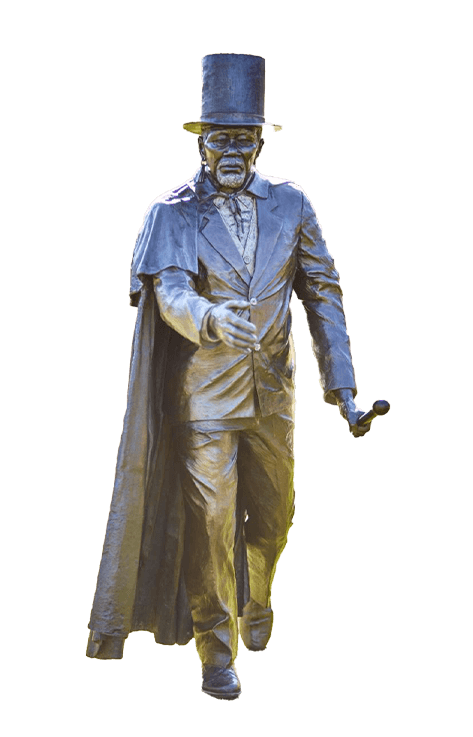
October 27, 2026
Thirty-two key moments in South Africa’s journey to liberation, in eight chapters, each linked to the people in the procession.
Read the storyReviews / Verified on Google


